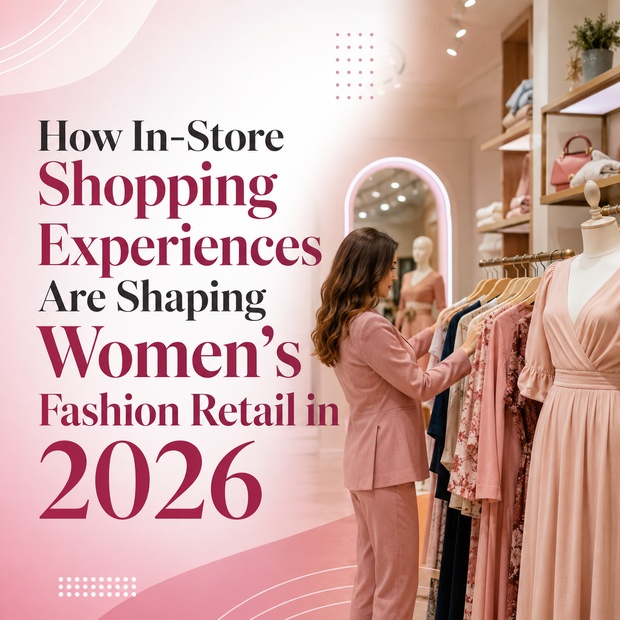
How In-Store Shopping Experiences Are Shaping Women’s Fashion Retail in 2026
Shopping for women’s fashion is no longer simply about finding a beautiful outfit at the right price. In 2026, customers want the complete experience—from discovering a style to touching the fabric, trying it on, getting honest suggestions and finally making a confident purchase. Even with the growth of online fashion shopping, physical stores continue to offer something digital platforms cannot fully replace: personal interaction and the ability to see and feel a garment before buying it.
This change is especially visible in ethnic and occasion wear. Customers looking for suits, shararas and designer outfits often want to compare colours, fabrics, fitting and detailing in person. According to Deloitte India, around 30% of fashion shoppers consider sensory and in-store experience an important influence on their purchase decisions. This makes the physical store an important part of modern fashion retail rather than an outdated sales channel.
Why In-Store Shopping Still Matters in 2026
Online platforms have made fashion discovery faster, but customers still value physical shopping when they need confidence before purchasing. A store allows shoppers to examine embroidery, fabric quality, stitching and colour in real conditions.
For women’s ethnic wear, this is particularly important. A suit that looks attractive in an online photograph may feel different when worn. Customers may want to check whether the neckline is comfortable, whether the fabric falls properly and whether the dupatta complements the outfit.
A good in-store experience addresses these concerns while making shopping more enjoyable.
The Rise of Experience-Led Women’s Fashion Retail
Fashion stores are increasingly being designed around customer comfort and engagement. Attractive displays, organised collections, comfortable trial rooms and helpful staff can influence how long customers stay and how confidently they shop.
The latest retail research also shows that customers pay attention to practical factors such as store layout, lighting, seating, trial-room privacy and staff assistance. KPMG’s India CX Report for apparel highlights these elements as important parts of the clothing-shopping journey.
For a women’s fashion store, this can mean:
- Creating coordinated displays instead of overcrowded racks
- Grouping suits according to occasion, colour or style
- Providing comfortable and private trial rooms
- Keeping popular sizes easily accessible
- Offering styling suggestions
- Making billing and exchanges simple
- Providing alteration assistance where possible
These small improvements can turn an ordinary shopping visit into a memorable experience.
Personal Styling Is Becoming More Important
One major advantage of offline shopping is personal assistance. A customer may enter a store looking for a simple suit but discover a completely different style after speaking with an experienced salesperson.
For example, someone attending a wedding may initially ask for a traditional salwar suit. A stylist can suggest a designer suit, sharara or coordinated dupatta based on the occasion, body comfort and preferred colour.
This personal approach is particularly valuable for retailers working with a ladies suit wholesaler in Delhi or sourcing collections from established manufacturers. A wider product selection gives retailers more opportunities to provide personalised recommendations.
In 2026, the best store experience is not about pressuring customers to buy more. It is about helping them find something that genuinely suits their requirements.
Technology Is Entering the Physical Fashion Store
Technology is also changing the role of the physical store. Customers may discover an outfit on social media, check the brand online and then visit a store to try it before purchasing.
Retailers are responding by connecting their digital and physical channels. In India, Meta and the Retailers Association of India have highlighted the growing importance of omnichannel shopping, where social media, messaging, online discovery and physical stores work together.
AI is also beginning to enter stores. Aditya Birla Fashion and Retail, for example, has introduced AI-powered virtual try-on and fashion-advisor technology to improve in-store recommendations.
This does not mean technology will replace sales staff. Instead, technology can help staff understand preferences, locate products and offer more relevant choices.
Better Product Presentation Influences Purchase Decisions
How clothing is displayed can be almost as important as what is being sold. Customers are more likely to explore collections when products are presented clearly.
For ethnic fashion retailers, presentation can include:
- Colour-based collections: Grouping similar colours makes comparison easier.
- Occasion-based sections: Wedding, festive, office and casual collections can be separated.
- Complete-look displays: Showing a suit with matching dupatta and accessories helps customers imagine the final outfit.
- New-arrival zones: Fresh designs should be easy to notice.
- Premium displays: Designer collections can receive dedicated space to create a more refined shopping experience.
This is also where sourcing becomes important. Reliable designer suits wholesalers in Delhi and readymade ladies suits wholesalers in Delhi can help retailers maintain varied collections without compromising on presentation.
Quality and Fabric Are Becoming Stronger Selling Points
Fashion shoppers are becoming more conscious about what they purchase. Instead of looking only at price, many customers want to understand fabric quality, finishing, durability and craftsmanship.
This creates an opportunity for businesses working with dependable suit fabric manufacturers and experienced ladies suits manufacturers in Delhi. Better sourcing can translate into better products, which customers can physically inspect before purchasing.
For wholesale buyers, working with trusted ladies suits suppliers can also make it easier to maintain consistent quality across different collections.
The Growth of Physical Retail in India
The continued investment in physical stores shows that offline fashion shopping is not disappearing. CBRE reported that Indian retail leasing increased by about 20% year-on-year in the first half of 2026, with fashion and apparel accounting for around 40% of overall leasing activity. Delhi-NCR was the leading market by retail space absorption.
D2C brands are also expanding their physical presence because stores provide credibility, visibility and opportunities for more personalised interactions.
This indicates a clear shift: online and offline fashion retail are becoming partners rather than competitors.
What This Means for Ethnic Wear Retailers
The changing customer expectations create opportunities throughout the supply chain. Retailers need collections that are attractive enough to bring customers into stores while being practical enough to meet different budgets and occasions.
A dependable women suit wholesaler in India can support retailers by providing diverse designs and timely collections. Similarly, a specialised sharara suits manufacturer can help stores cater to the growing demand for festive and wedding wear.
For businesses looking for a reliable ladies suits manufacturer, product consistency, design variety, fabric quality and dependable supply can make a significant difference to the final customer experience.
The Future of Women’s Fashion Retail Is Phygital
The future is neither completely online nor completely offline. It is a combination of both.
A customer may see a suit on Instagram, save its picture, message the retailer on WhatsApp, visit the store to try it, ask for a size adjustment and then receive it at home. Each interaction becomes part of one shopping journey.
Research published in 2026 similarly describes fashion retail as increasingly “boundaryless,” with consumers moving between physical stores and digital devices during their shopping journeys.
Retailers that understand this behaviour can create smoother experiences and stronger customer relationships.
Why Choose Thakur Exclusive for Women’s Ethnic Wear?
At Thakur Exclusive, the focus is on helping retailers access fashionable ethnic wear collections that meet changing customer preferences. From everyday suits to occasion-focused styles, a well-planned collection gives retailers more choices for creating attractive store displays.
For wholesale buyers, factors such as design variety, fabric selection, finishing and dependable supply are essential. Thakur Exclusive aims to support retailers with collections suitable for today’s evolving women’s fashion market.
As customers increasingly look for quality, variety and a better shopping experience, choosing the right wholesale partner can help retailers stay prepared for changing demand.
Conclusion
In-store shopping experiences are playing a powerful role in shaping women’s fashion retail in 2026. Customers still value the ability to touch fabrics, try outfits, receive personal styling advice and make confident decisions. At the same time, digital tools are making physical stores smarter and more connected.
For ethnic wear retailers, the winning approach is to combine quality products with thoughtful presentation, personal service and digital convenience. With the right sourcing partner, retailers can offer collections that look appealing both online and on the shop floor.
Thakur Exclusive can be a valuable wholesale partner for businesses seeking stylish and dependable women’s ethnic wear collections. Explore the right range, improve your store experience and give customers more reasons to shop with confidence.
Frequently Asked Questions
1. Why is in-store shopping important for women’s fashion in 2026?
In-store shopping allows customers to examine fabric, colours, stitching and fitting before purchasing. Personal assistance and trial-room experiences also help shoppers make more confident decisions, especially when buying ethnic and occasion wear.
2. Are physical fashion stores still relevant despite online shopping?
Yes. Online platforms are excellent for discovery and convenience, while physical stores offer touch, trial, personal assistance and immediate product evaluation. Modern retailers are increasingly combining both channels.
3. What should retailers look for in a ladies suit wholesaler in Delhi?
Retailers should consider design variety, fabric quality, finishing, sizing, pricing, supply consistency and the ability to provide collections suitable for different occasions and customer preferences.
4. Why are designer suits becoming popular in retail stores?
Designer suits offer distinctive styling and attractive detailing, making them suitable for customers looking for something more special than everyday outfits. They can also create stronger visual appeal in store displays.
5. How can technology improve the in-store fashion experience?
Technology can help with virtual try-ons, personalised recommendations, digital inventory checks, online-to-store journeys and faster communication. It can make shopping more convenient without removing the human element.